In 1988, my life was permanently changed.
After leaving a brief, lackluster career as a local city police officer, I took a temporary job while waiting to be called to the Indiana State Police. That job placed me inside industrial foundries—environments most people never experience and few would survive long-term.
Temperatures inside the foundry walls routinely reached 100–150 degrees. Molten iron moved at 3,500 degrees, aluminum at 1,400 degrees. Sparks regularly jumped into boots, forcing you to dance just to escape the heat. Burning hair while pulling slag was common. It was brutal, dangerous, and unforgiving—but it was temporary.
Or so I thought.
The Accident That Changed Everything
One day, a broom snagged in a conveyor system pulled me into two industrial drive rollers, each the size of 55-gallon oil drums, spinning at nearly 30 miles per hour. I was trapped for what witnesses estimated was eight minutes.
During that time:
-
Skin peeled and burned away
-
Ligaments stretched and tore
-
Bones broke
-
I wasn’t sure if the broom had pierced my body
-
I wasn’t sure if I would survive
What followed wasn’t a quick recovery—it was years.
Years of:
-
Surgical removal of dead tissue
-
Muscle and ligament damage
-
Plate insertions
-
Vein transfers
-
Failed muscle flap surgeries
-
Months of immobility
-
A body weakened by forced inactivity
-
Long hospital stays with an uncertain outcome
At times, the verdict on my future—mobility, function, even survival—was unclear, and I owe my life and the preservation of my arm to the quick thinking of my cousin, Craig McDougle, both at the accident site and in the hospital.
Rebuilding a Broken Body
Eventually, survival turned into rebuilding.
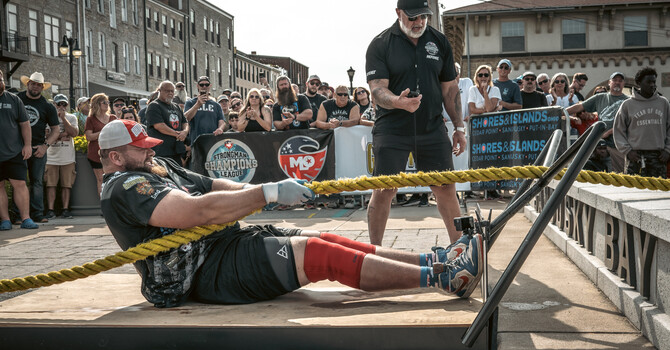
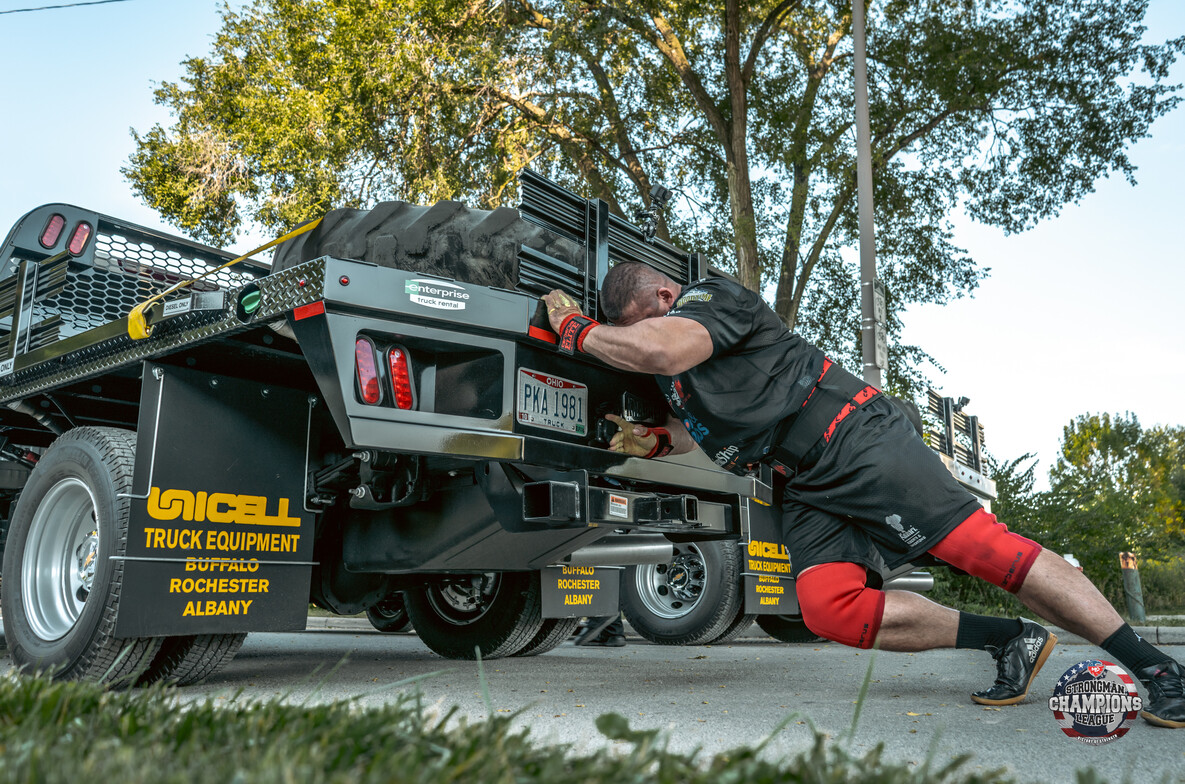
Through bodybuilding with my close friend Jack McKinley, and later exposure to strongman training with Chad Coy, I learned what textbooks can’t teach: how to reclaim strength after devastation.
I wasn’t just rebuilding muscle—I was rebuilding trust in my body.
This journey came with constant challenges:
-
Training as a disabled athlete
-
Learning what pain means versus damage
-
Discovering how adaptation matters more than protocols
-
Understanding how mental resilience drives physical recovery
I am deeply grateful to those who gave their time and effort to support me throughout my recovery.
Becoming a Chiropractor the Hard Way
Chiropractic school was no easier.
I went through my education as a handicapped student doctor, carrying permanent physical limitations while raising four children and supporting a family. In some trimesters, I carried nearly 50 credit hours, while also earning an additional degree.
This wasn’t about toughness for the sake of ego.
It was about survival, adaptability, and refusing to accept limits placed on me by systems not designed for real people.
I learned quickly:
-
If I followed the system exactly, I would fail
-
If I adapted, modified, and thought differently, I could succeed
That lesson became foundational, reinforced by those who educated and mentored me, and applied not just academically, but clinically.
Why This Changed How I Practice Chiropractic
Throughout my recovery and education, I encountered too many providers who relied on cookie-cutter care:
-
Same protocols for every patient
-
Minimal personalization
-
Little accountability for poor outcomes
The results were often disappointing. Progress stalled. Real recovery was left to the patient.
So I became my own advocate.
These personal experiences define who I am as a chiropractor today—how I listen, how I assess injury, how I respect the recovery process, and how seriously I take the responsibility of guiding someone back to function.
What My Journey Taught Me
-
Pain is complex and deeply personal
-
Healing is never linear
-
Fatigue, fear, and frustration matter as much as anatomy
-
Systems often fail people who don’t fit neatly into boxes
-
Real recovery requires thinking beyond templates
The Chiropractor I Am Today
Today, at IN Chiropractic and Wellness, I bring this lived experience into every patient interaction.
I don’t just treat injuries—I understand the long, hard road that comes with them.
I can relate to:
-
The janitor whose body is worn down by physical labor
-
The college professor overwhelmed by stress and chronic pain
-
The athlete fighting to return after injury
-
The patient who’s tried everything and feels dismissed
Because I’ve been there.
I don’t offer cookie-cutter chiropractic care. I offer informed, adaptive, patient-specific care, grounded in real-world experience, resilience, and advocacy.
From Survivor to Advocate
I didn’t choose this journey—but it shaped everything about how I think, how I treat, and how I care.
I survived devastating trauma.
I rebuilt a broken body.
I navigated higher education with disability and overload.
And now, I use that experience to stand beside my patients—not above them.
If you’re facing a difficult recovery, stalled progress, or feel like you’ve been given generic answers, know this:
I get it.
I’ve lived it.
And I will advocate for you—because once, I had to do the same for myself.
So, what are you waiting for? You'll not find another Doctor that actually gets YOU!
CALL TODAY: 317-770-5775
Dr. Todd McDougle
Contact Me